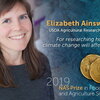
Elizabeth Ainsworth, USDA Agricultural Research Service, also an adjunct professor at Illinois and a member of the IGB Genomic Ecology of Global Change research theme, will receive the 2019 NAS Prize in Food and Agriculture Sciences.
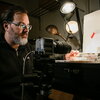
Scientists Don Ort (left), Paul South (center) and Amanda Cavanagh (right) study how well their plants modified to bypass photorespiration perform beside unmodified plants in real-world conditions. They found that plants engineered with a synthetic shortcut are about 40 percent more productive
The mandibles of the Dracula ant, Mystrium camillae, are the fastest known moving animal appendages, snapping shut at speeds of up to 90 meters per second.
From left, mechanical science and engineering professor Narayana Aluru, computer science professor William Gropp and plant biology professors Andrew Leakey and Ray Ming are among 416 scientists elected AAAS Fellows this year.
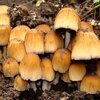
Some fungi are smelly and coated in mucus. Others have gills that glow in the dark. Some are delicious; others, poisonous. Some spur euphoria when ingested. Some produce antibiotics.
All of these fungi – and hundreds of thousands, if not millions, more – occur in North America. Of those that are...
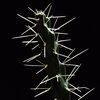
The spines of Cylindropuntia fulgida, also known as jumping cholla, have a reproductive role. They latch on to passersby and carry small chunks of cactus flesh to new locations.
A study of 3,588 square kilometers of privately owned land in central Kenya offers evidence that humans and their livestock can, in the right circumstances, share territory with zebras, giraffes, elephants and other wild mammals – to the benefit of all.
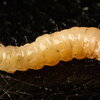
New research reveals that Aspergillus flavus, a fungus that produces carcinogenic aflatoxins that can contaminate seeds and nuts, has a multilegged partner in crime: the navel orangeworm caterpillar, which targets some of the same nut and fruit orchards afflicted by the fungus. Scientists...