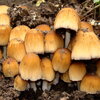
Some fungi are smelly and coated in mucus. Others have gills that glow in the dark. Some are delicious; others, poisonous. Some spur euphoria when ingested. Some produce antibiotics.
All of these fungi – and hundreds of thousands, if not millions, more – occur in North America. Of those that are...
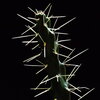
The spines of Cylindropuntia fulgida, also known as jumping cholla, have a reproductive role. They latch on to passersby and carry small chunks of cactus flesh to new locations.
A study of 3,588 square kilometers of privately owned land in central Kenya offers evidence that humans and their livestock can, in the right circumstances, share territory with zebras, giraffes, elephants and other wild mammals – to the benefit of all.
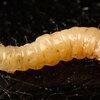
New research reveals that Aspergillus flavus, a fungus that produces carcinogenic aflatoxins that can contaminate seeds and nuts, has a multilegged partner in crime: the navel orangeworm caterpillar, which targets some of the same nut and fruit orchards afflicted by the fungus. Scientists...
Insects could be a game changer in the race to combat food insecurity and achieve zero hunger.
Eating insects can help fight hunger and food insecurity. They are a fantastic source of nutrients—like protein—and food at times when the production of commonly eaten staple African food crops, like...
Illinois entomology professor Gene Robinson was elected to the National Academy of Medicine “for pioneering contributions to understanding the roles of genes in social behavior.”
A new study from Illinois entomology professor, Hugh Robertson, and colleagues at the University of California, Davis, reveals that all insects have odorant receptors that enable them to detect airborne chemicals.