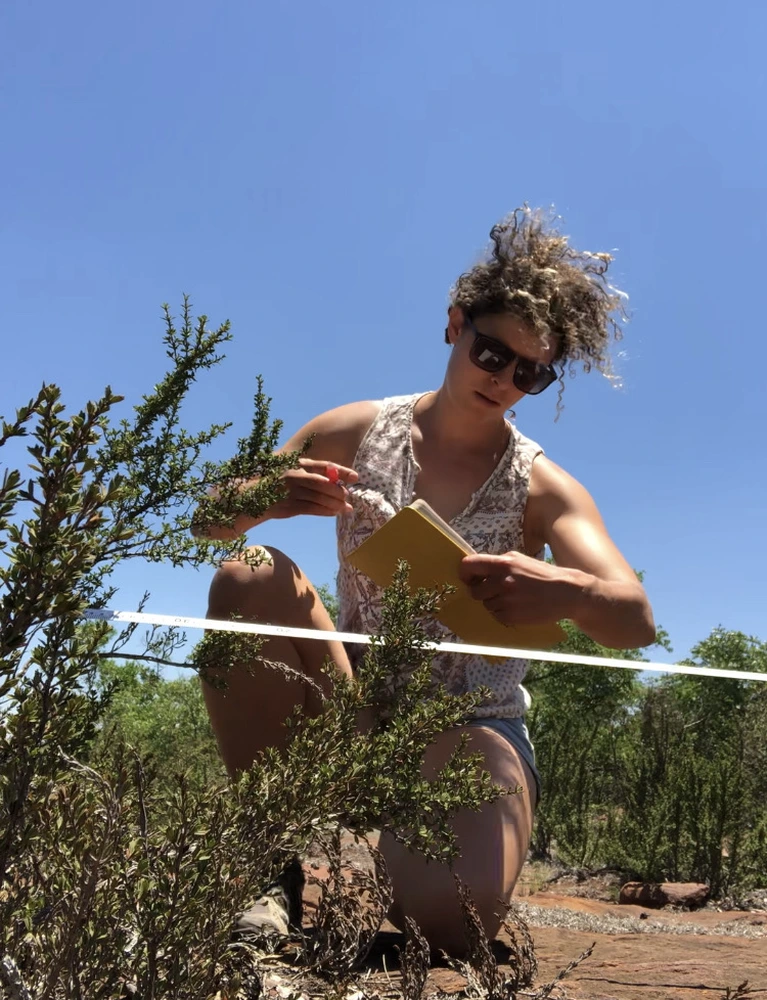
In a publication from last fall in New Phytologist, Plant Biology Assistant Professor Rose Marks shared new research involving the resurrection plant Myrothamnus flabellifolia. The study focused on how the plant survives extreme dehydration, a trait that could help scientists better understand how to improve crops and adapt to a changing climate.
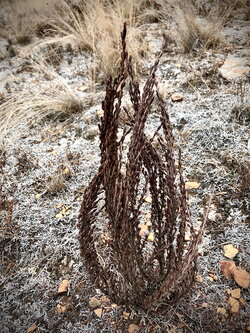
Myrothamnus flabellifolia is an iconic African plant that can survive for long periods with little or no water. When conditions become extremely dry, its leaves dehydrate completely and it enters a dormant state. Once rain returns, the plant can quickly recover and resume normal growth and function. During this process, the plant produces a wide array of defense compounds, many of which have been used in traditional medicine for centuries.
To better understand how it survives in a dry state, Marks and her team created a complete genome assembly for the plant. By doing so, they were able to identify its genes and provided themselves with a foundation from which to study of the plant. The researchers also tracked changes in the plant over time. They collected samples before drying conditions began, during the drying process, and after the plant recovered following rainfall. This allowed them to observe how the plant responds to water loss and how it returns to normal once water becomes available again.
Their results showed that the plant begins preparing for drought before it becomes completely dry. Rather than waiting until water is gone, it starts slowing down energy-intensive activities and activates protective systems early. As drying continues, the plant produces proteins and other compounds that help shield its cells from damage. Researchers found especially strong activity in protective proteins known as LEA proteins and ELIPs, which are believed to play important roles in helping the plant survive severe dehydration.
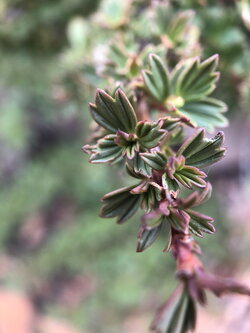
When water returns, Myrothamnus flabellifolia does not immediately resume normal growth. Instead, it first activates repair systems that help restore damaged cellular structures and functions. Once these repairs are complete, the plant gradually returns to its normal state.
The study suggests that the plant's remarkable drought tolerance comes from several coordinated strategies. These include slowing growth early, protecting important cell structures during dehydration, reducing damage caused by environmental stress, carefully regulating gene activity, and rapidly repairing cells after rehydration.
What this research showed is that survival during extreme drought is not controlled by a single "super gene." Instead, it depends on many genes and biological processes working together to help the plant endure and recover from severe water loss.
Beyond revealing the remarkable biology of a Myrothamnus flabellifolia, this research provides valuable insights into how plants respond to extreme environmental stress. Understanding the genetic and cellular mechanisms of resurrection plants could help scientists develop crops that are better equipped to withstand drought, an increasingly important goal as a changing climate affects growing conditions worldwide. In the long term, discoveries from this work may contribute to advances in agriculture, conservation, and the preservation of biological materials.